
Joining forces: Sensor-based research on children’s experiences of belonging and participation with Simone Pinetti and Sina Ghorbani
To understand social inclusion and causes for inequality among students, it is important to learn about their day-to-day experiences during the school day, especially unstructured periods. Are students connecting with their peers? How and where do they spend their free time? Are they happy with the way things are, or do they feel lonely and unwelcomed?
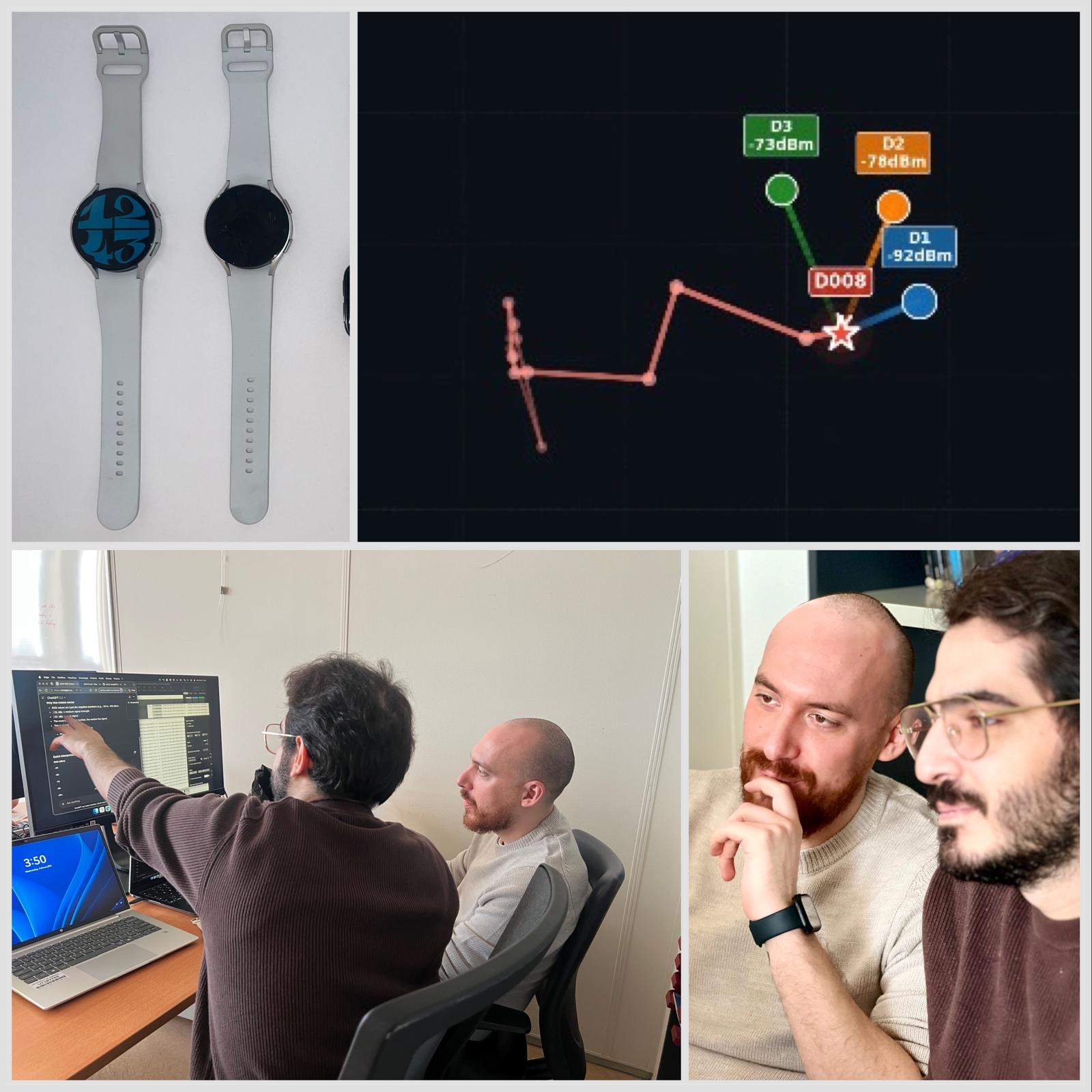
The Building 4 Belonging project looks into how to answer these questions by extending classical research methods, such as questionnaires, with ecological momentary assessment (EMA) to capture “in the moment” data in the natural context of daily social life at school. One way to do this is via wearable sensor technologies and smartwatches that measure behaviour and experiences of children and adolescents at school (see also previous publications: Tsou et al. (2025) and Li et al (2024)).
This semester, the Focus on Emotions lab welcomes visiting PhD student Simone Pinetti from the University of Modena and Reggio Emilia (Italy), who brings his own experiences combining wearable technologies with Social Network Analysis to examine social interactions in educational settings. His work focuses in particular on early childhood education, where he investigates how peer relationships unfold and how data-driven insights can deepen understanding of children’s experiences of belonging and participation.
During this year’s Pre-University programme, Simone joined forces with Sina Ghorbani (University of Twente) to pilot test a novel smart watch application in preparation for upcoming data collection at schools. The watches are programmed to collect real-time data on students’ social, emotional, and learning experiences: This makes it possible to map students’ proximity to each other, movement patterns, and record EMA, e.g. about moods and feelings.
A key element of this pilot session was to integrate digital sensing technologies with educational reflection. Beyond testing innovative research methods, students were encouraged to think critically about the responsible use of digital tools in educational settings. This combination of methodological innovation and pedagogical dialogue reflects the broader goals of Simone’s visiting period: connecting research, technology, and educational practice in meaningful ways.
We look forward to the collaborations and conversations that will emerge during this visiting period, and to the continued exploration of emotions, relationships, and inclusion in educational contexts.